
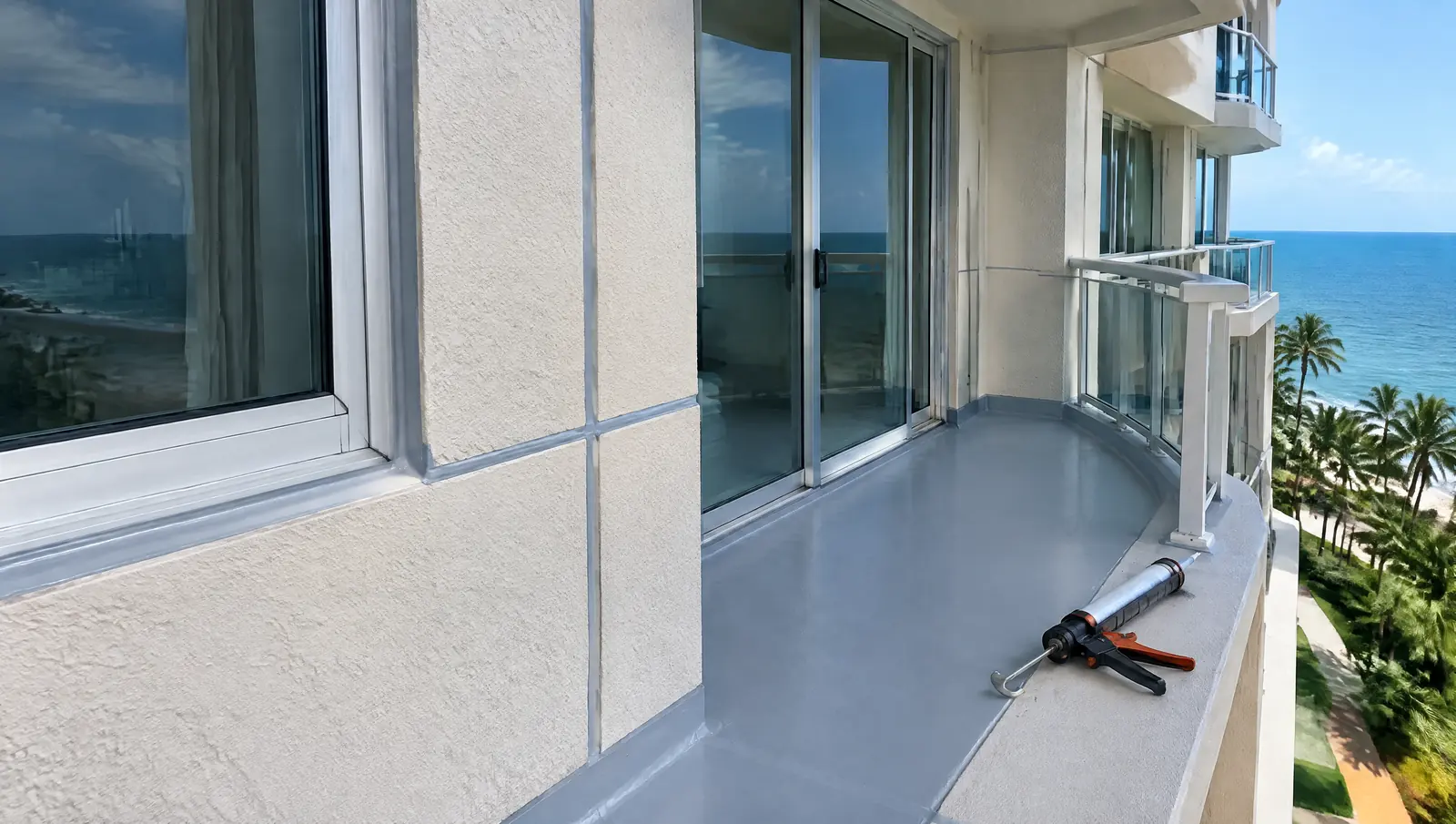
Waterproofing and sealants in Miami-Dade County
Keep water out of the concrete, and budget for it in your SIRS.
Get Your Free Proposal
Tell us about your building and any notice or deadline you have. We will respond right away with next steps and a proposal.
We arrange and coordinate waterproofing and sealants for condo and co-op associations in Miami-Dade County, working to the rules of the Miami-Dade County Building Department from the first notice to the final report.
- Free, no-obligation proposal
- Inspections by Florida-licensed engineers and architects
- Milestone, SIRS and recertification deadlines
The short answer
Waterproofing and sealants keep water and salt out of Miami-Dade County concrete, and the SIRS treats waterproofing and exterior painting as a reserve item. Coastal condo and co-op buildings built in 1998 or later recertify at 25 years, other buildings built from 1993 at 30, then every 10 years. The county maps which condo buildings sit within three miles of the coast through a GIS project.
Last updated
Waterproofing work in Miami-Dade County
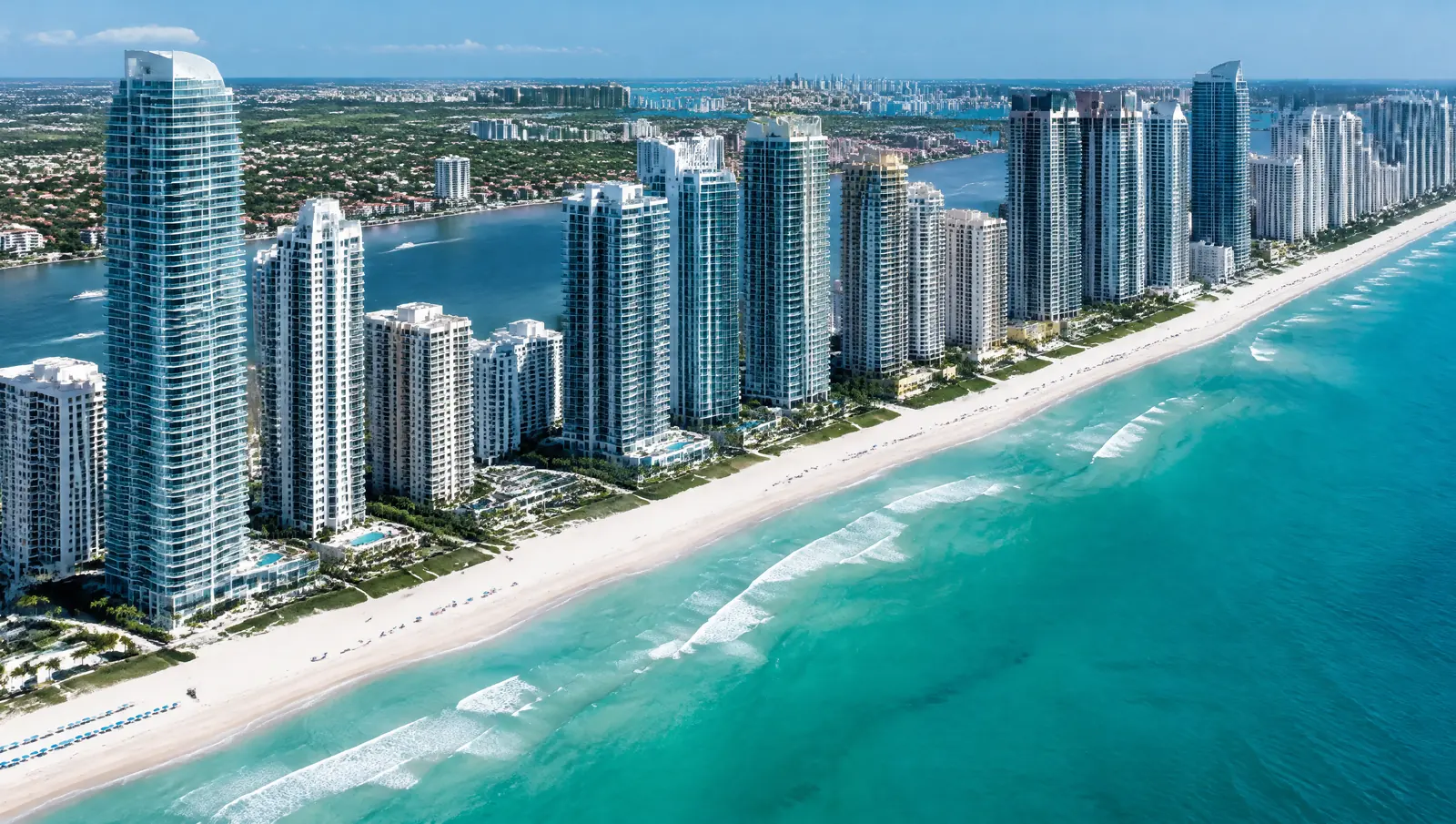
- The county schedule turns on the year built. Coastal condo and co-op buildings three stories or more within three miles of the coastline and built in 1998 or later recertify at 25 years; other buildings built in 1993 or later at 30 years; every building then recertifies every 10 years.
- The county identifies the coastal condo and co-op buildings that fall under the three-mile rule through a GIS mapping project, so the county's notice, not a tape measure, settles which schedule applies.
- Parking lot illumination must meet County Code s. 8C-3, and guardrails must meet s. 8C-6 where a parking lot abuts a canal, lake or other body of water. If guardrails are missing, a permit to install them comes first, and both certificates go in the recertification packet.
- Where the reports call for repairs, the county requires the work to go through proper permitting before it will recertify the building.
- Threshold buildings with structural glazing also need a facade inspection of the glazing adhesive every five years, filed within 90 days of notice with every page signed and sealed. The processing fee is $380.90.
How we handle waterproofing and sealants in Miami-Dade County
Repairs that come out of a Miami-Dade recertification have to be permitted before the building can be recertified, and the county's 2025 numbers, 308 required Phase 2 inspections and 23 of the state's 24 unsafe or uninhabitable findings, show why the repair scope should be priced as soon as the engineer's findings arrive. We line up the scope, the permit and the contractor so the recertification can close.[1][2]
Permits in Miami-Dade County
- Miami-Dade County Building, Recertification: Recertification notices, filings and fees for unincorporated Miami-Dade, and the county code every city follows
- City building departments (for example City of Miami, Miami Beach): Run recertification and milestone filings inside their own city limits
Where waterproofing matters most
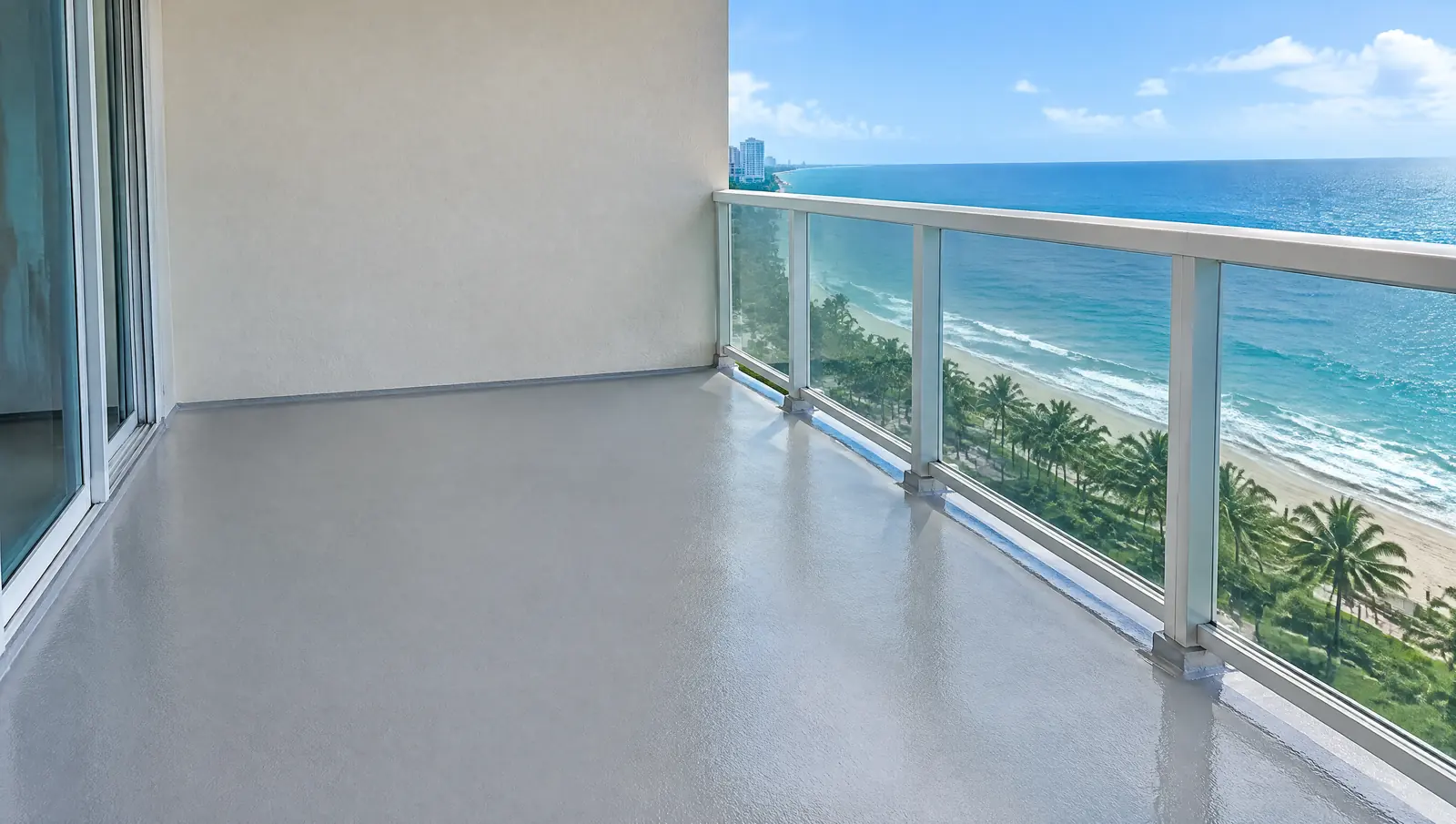
- Balcony and walkway traffic coatings
- Sealant at windows, doors, railing posts and expansion joints
- Garage deck membranes and drains
- Facade coatings and painting
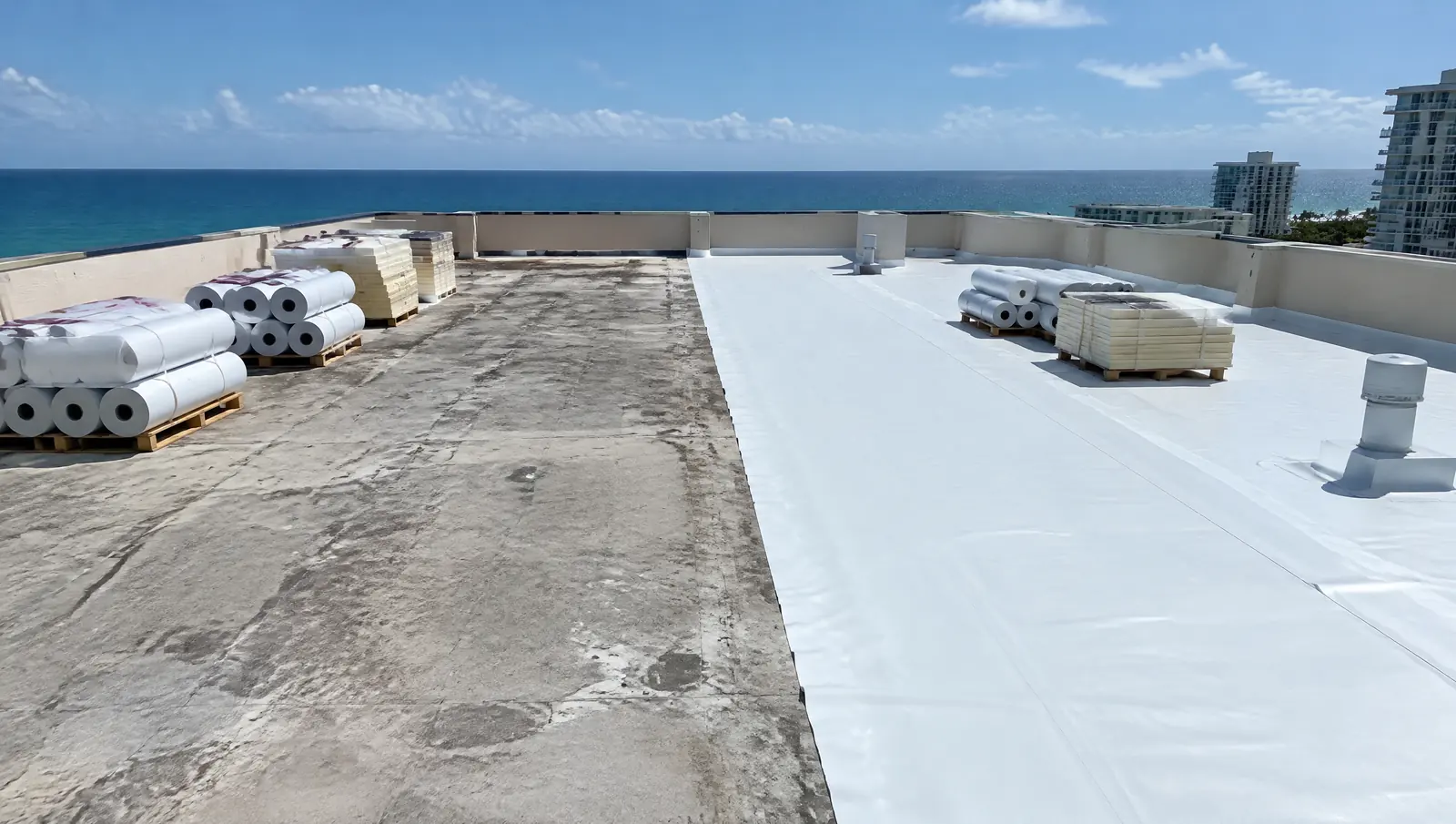
- Roof membranes, which are a separate SIRS item
Planning it with restoration
Waterproofing is usually cheapest done straight after concrete repairs, while scaffolds and swing stages are already up. Ask the engineer to include coating and sealant specifications in the repair documents.
| Topic | Rule in Miami-Dade County | Source |
|---|---|---|
| Repairs | 23 of the 24 buildings found unsafe or uninhabitable in Florida in 2025 were in Miami-Dade. | OPPAGA 26-04 |
| Notice | Reports are due within 90 days of the county's notice, after courtesy notices two years and one year ahead. | Miami-Dade County |
| Fees | The county's initial recertification review fee is $403.13, and a late submission costs $453.52. | Miami-Dade County |
| Buildings covered | The county files for unincorporated areas, while cities such as Miami and Miami Beach run their own desks under the same code. | Miami-Dade County |
Frequently asked questions
Does waterproofing belong in the reserve plan in Miami-Dade County?
The county schedule turns on the year built. Coastal condo and co-op buildings three stories or more within three miles of the coastline and built in 1998 or later recertify at 25 years; other buildings built in 1993 or later at 30 years; every building then recertifies every 10 years. Waterproofing and exterior painting are SIRS items under s. 718.112(2)(g), so the work belongs in the reserve schedule.
Which Miami-Dade buildings were due by 31 December 2024?
Coastal condo and co-op buildings three stories or more within three miles of the coast built from 1983 to 1997, and other buildings built from 1983 to 1992. Buildings built before 1983 keep their established schedule.
How much warning does Miami-Dade give before recertification is due?
The county sends courtesy notices two years and one year before the due year. Once the Notice of Building Recertification arrives, the reports are due within 90 days.
Sources
- Recertification (Miami-Dade County Building), Miami-Dade County. Accessed October 28, 2026.
- Milestone Inspection Reporting Data 2024 and 2025, Report 26-04, July 2026, Florida Legislature, OPPAGA. Accessed October 27, 2026.
- Get a Building Recertification (City of Miami), City of Miami. Accessed October 27, 2026.
- Building Recertification, City of Miami Beach, City of Miami Beach. Accessed October 28, 2026.
- s. 718.112, Florida Statutes (2026): Bylaws, including (2)(f) budget and reserves, (2)(g) SIRS, (2)(h) milestone inspections, The Florida Senate. Accessed October 28, 2026.
Get a free quote
Tell us about your project and we will get back to you fast.