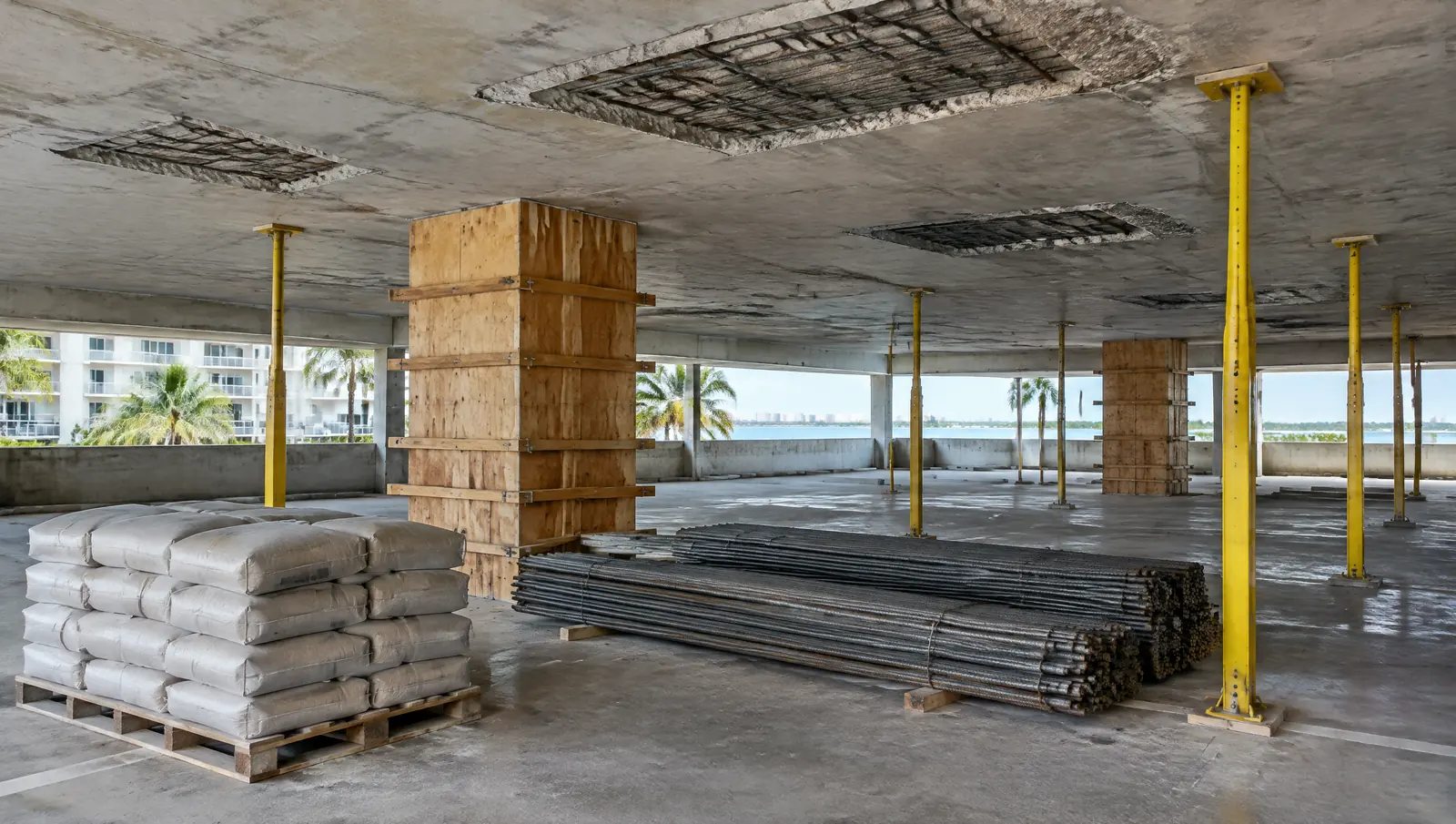
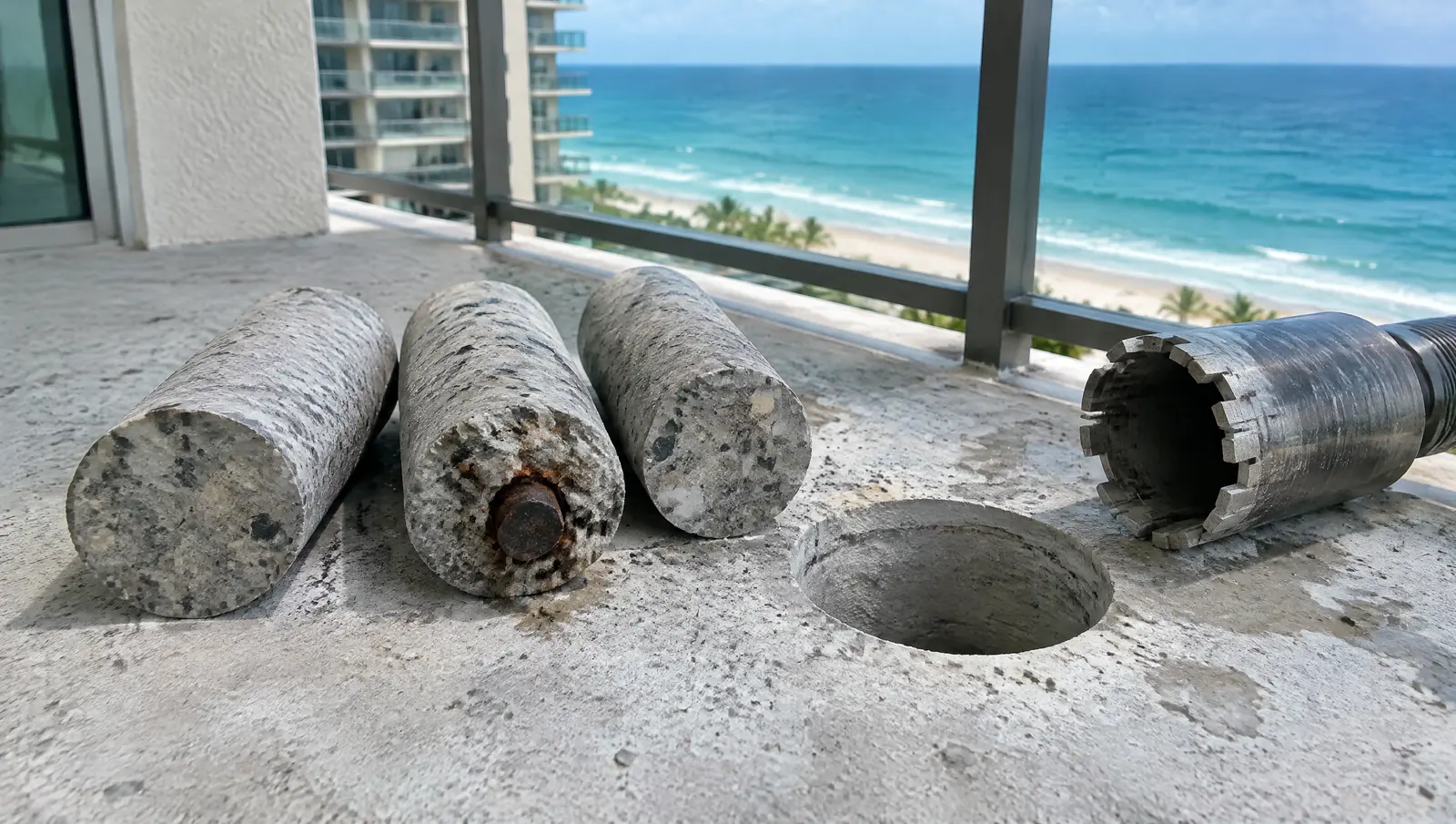
Phase 1 is a visual examination with a qualitative assessment, required for every building and due within 180 days of the building department's notice. Phase 2 is required only if Phase 1 finds substantial structural deterioration; it may use destructive or nondestructive testing, and a progress report is due within 180 days of the Phase 1 report (s. 553.899(6) and (7)). Statewide, 8,736 Phase 1 and 1,575 Phase 2 inspections were completed in 2024 and 2025 (OPPAGA).
General information, not legal or engineering advice.
Phase 1 and Phase 2 side by side
| Phase 1 | Phase 2 | |
|---|---|---|
| Required for | Every building subject to s. 553.899 | Only if Phase 1 finds substantial structural deterioration |
| What happens | Visual examination of habitable and non-habitable areas, including major structural components | Destructive or nondestructive testing at the inspector's direction |
| Result | Qualitative assessment and report | Assessment of the distress and a recommended repair program |
| Deadline | Within 180 days of the building department's notice | Progress report with timeline within 180 days of the Phase 1 report |
| Performed by | Florida-licensed architect or engineer | Florida-licensed architect or engineer |
| Owner summary | Within 45 days of receiving the report | Within 45 days of receiving the report |
Source: s. 553.899 [1].
How often does Phase 1 lead to Phase 2?
Across 2024 and 2025, local building departments reported 8,736 Phase 1 and 1,575 Phase 2 inspections completed [2]. Required Phase 2 counts were highest in Broward, Miami-Dade and Palm Beach.
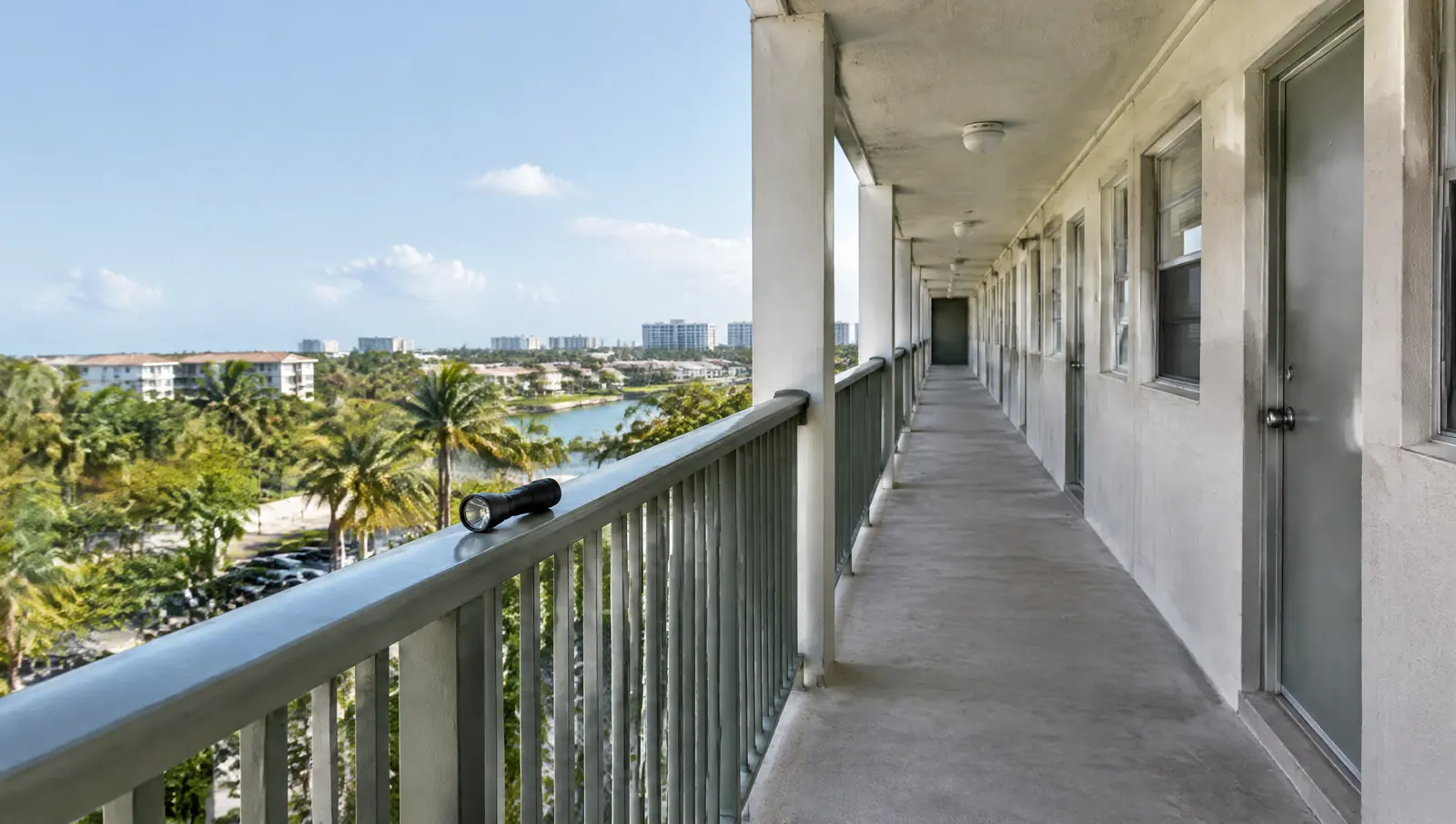
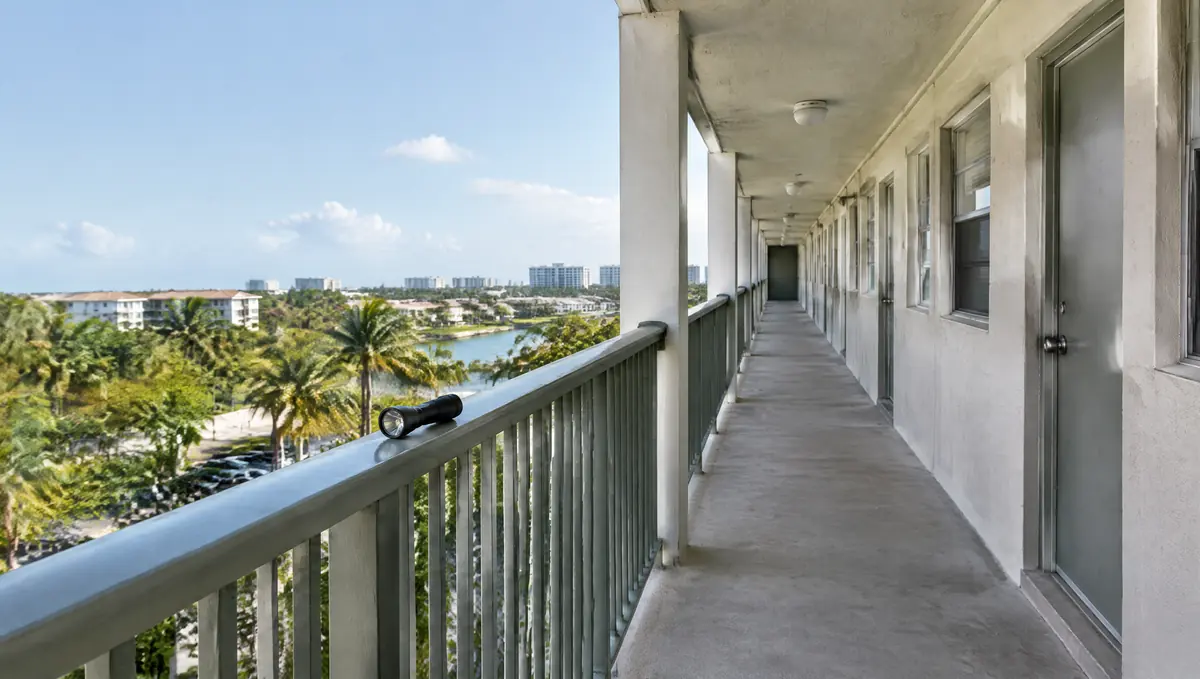
What is "substantial structural deterioration"?
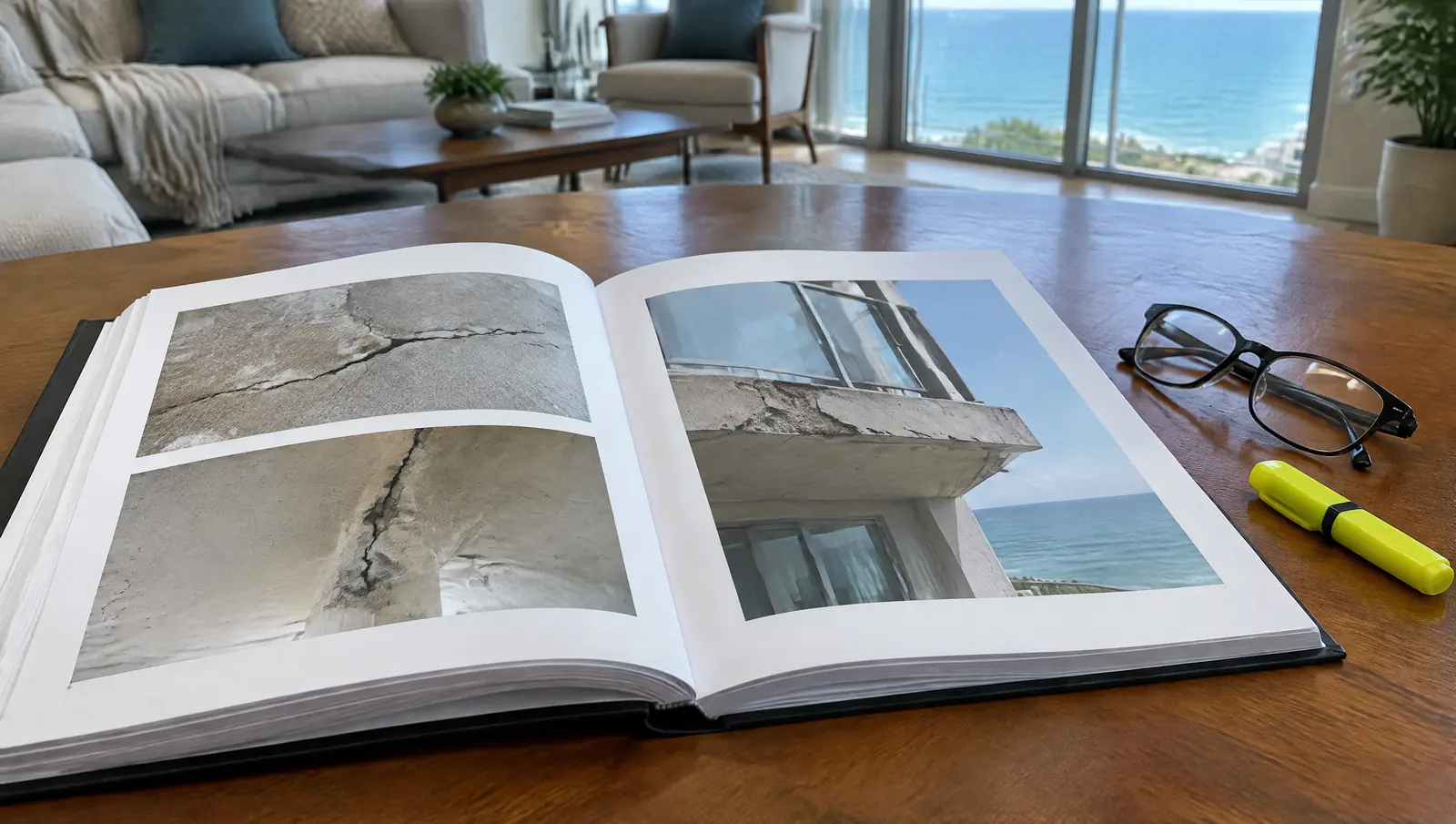
The statute defines it as substantial structural distress or weakness that negatively affects the building's general structural condition and integrity. It does not include surface imperfections such as cracks, distortion, sagging, deflections, misalignment, signs of leakage or peeling finishes, unless the engineer or architect decides they are a sign of it [1].
What must each report contain?
Both reports carry the professional's seal and signature, describe the inspection, identify any substantial structural deterioration and recommended repairs, state whether unsafe or dangerous conditions were observed, recommend repairs for other damaged items and list anything needing further inspection [1]. Our post on how to read a Phase 1 report walks through it.
Find a pro in your area
Enter your ZIP code and we will open the quote form for you. It takes about a minute.
Frequently asked questions
Does every building need Phase 2?
No. Only buildings where Phase 1 identifies substantial structural deterioration.
Can Phase 2 start before the Phase 1 report is filed?
Some jurisdictions in Broward, Miami-Dade and Palm Beach accept one combined Phase 1 and 2 inspection, according to OPPAGA. Ask your building department.
Who decides if Phase 2 is needed?
The licensed engineer or architect performing Phase 1. Surface cracks, sagging, leaks or peeling finishes count only if that professional decides they are a sign of substantial structural deterioration.
Sources
- s. 553.899, Florida Statutes, Online Sunshine, Florida Legislature. Accessed October 28, 2026.
- Milestone Inspection Reporting Data 2024 and 2025, Report 26-04, July 2026, Florida Legislature, OPPAGA. Accessed October 27, 2026.